
Stop paying hire on tools you can't find.
Tag hired tools and spares as they move between base, quay and vendor. Get a nudge when one goes quiet, and a weekly list of what's due back.
Paid pilot · UK and Europe · Connectivity check at your site before we start
Example alerts, sample data
Sound familiar from 2026?
When critical kit goes missing, the cost goes far beyond the equipment itself.
We're still paying hire on it
A rental tool comes back on a backload and sits in a yard. The hire clock keeps running.
Nobody knows where it went
Base thinks it's offshore. Offshore thinks it came back. Ten phone calls later, still no answer.
The job's waiting on a tool
Waiting on tools is non-productive time. And that's some of the most expensive time there is.
What you see, every day.
Where each item was last seen. When it last moved. Whether it took a knock or got too hot or cold.
A text or email when something crosses a limit you set, and one short report every week.
See a sample dashboardWhat teams like yours tag first
Start with the critical assets that have the greatest operational and commercial impact.
How the pilot works.
Start with one site, a defined set of critical assets and clear measures of success.
Define the scope
Identify the kit causing the most problems, agree what success looks like and check site connectivity.
Tag your assets
Deploy suitable tracking devices on the agreed equipment and configure your monitoring requirements.
Monitor and act
Access asset information through BridgeView, receive agreed alerts and review weekly reports.
Measure the value
Review the results against your agreed success criteria and decide whether to scale.
One site. Defined scope. Clear success criteria.
Discuss your pilotAll your critical kit. One clear view.
See where your equipment was last reported, understand its condition and identify the assets that need your attention.
Asset location
See the last reported location of your critical equipment.
Movement history
Understand when equipment moved and where it was reported.
Condition monitoring
Identify recorded shock and temperature events.
Alerts and reporting
Focus attention on exceptions and assets requiring action.
Monitoring capabilities and reporting frequency depend on the selected device, configuration and available connectivity.
Connected hardware. Actionable insights.
Purpose-selected tracking devices and a central monitoring platform, configured around your equipment and operational requirements.
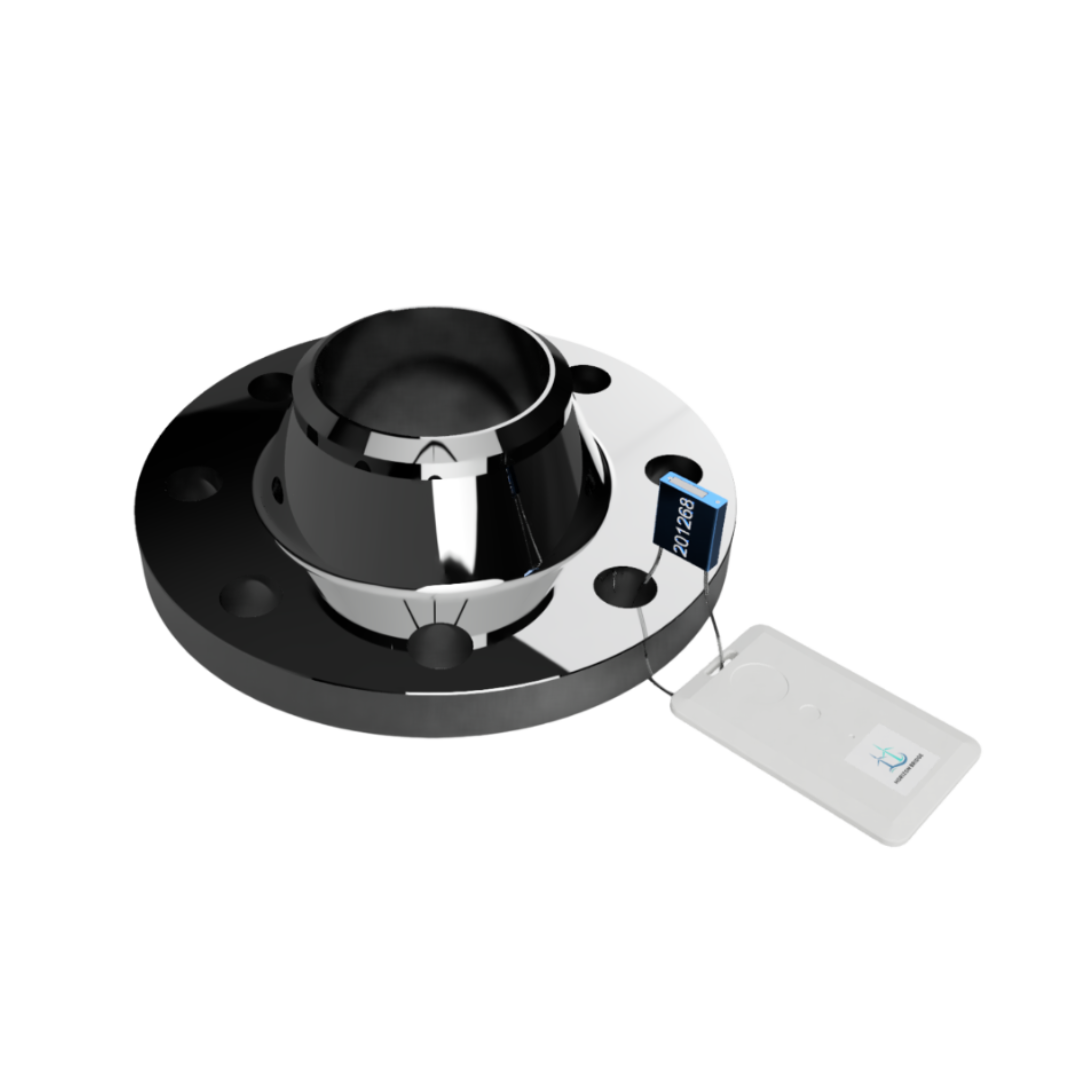
C-Tag
Monitor the location, movement and condition of critical tools and equipment.
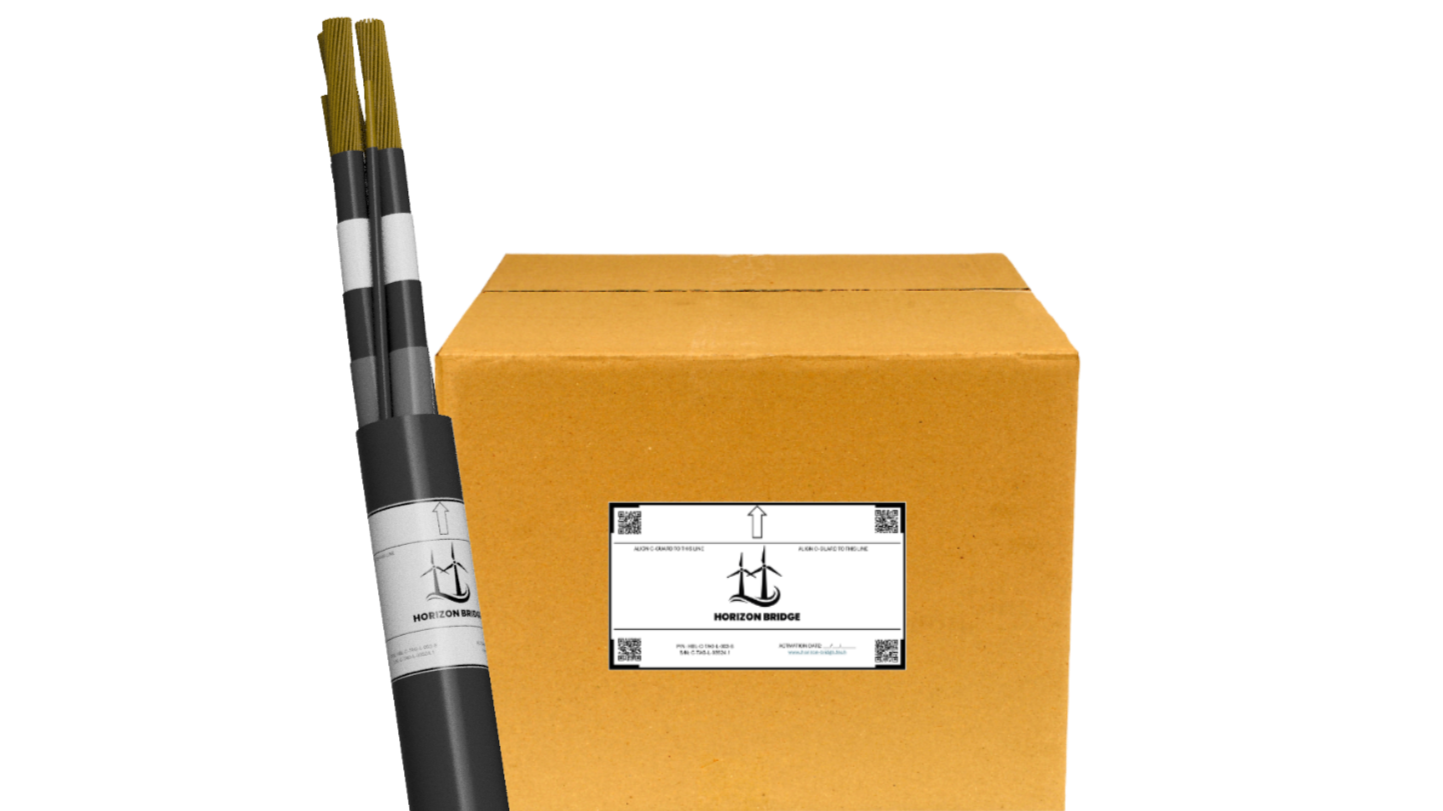
C-Tag L
An alternative tracking device selected according to your asset and deployment requirements.
BridgeView
Bring asset information, monitoring history and operational alerts into one central view.
The appropriate hardware and monitoring configuration are agreed during pilot scoping.
Start small. Prove the value. Scale with confidence.
A focused, paid pilot designed to demonstrate the operational and commercial value of monitoring your critical kit.
Complete a short questionnaire to establish whether your operation is a suitable fit.
What's included in your pilot
- One agreed site or supplier group
- Tracking devices matched to your assets
- Device setup and monitoring configuration
- Access to your BridgeView monitoring view
- Weekly asset exception reports
- Technical support throughout the pilot
- Agreed success measure and results review
- Proposal for wider deployment
Your questions, answered.
Everything you need to know about monitoring your critical equipment and getting started with a Horizon Bridge pilot.
Still have a question?
Discuss your specific operational requirements with our team.
Discuss your requirementsWhat equipment can we monitor?
Hired tools, critical spares, equipment baskets, containers and other assets moving between onshore bases, quays and suppliers.
Can the devices be used offshore?
This pilot focuses on onshore equipment movements. The proposed devices are not certified for hazardous-area deployment.
How often is asset information updated?
Reporting frequency depends on the selected device, monitoring configuration and available connectivity. These requirements are agreed during pilot scoping.
What happens if an asset loses connectivity?
Previously reported information remains available. New updates depend on connectivity, device capabilities and configuration.
How long does the pilot last?
The duration is agreed before deployment, taking into account your operational requirements and the time needed to assess the agreed success measure.
How much does the pilot cost?
Pricing is based on the number of assets, selected devices, monitoring requirements and agreed scope of deployment.
How do we measure the success of the pilot?
We agree a success measure before deployment, such as reducing unnecessary hire costs or improving equipment visibility.
What happens after the pilot?
We review the results against the agreed success measure and provide a proposal for wider deployment where appropriate.
See if you qualify.
Complete our short questionnaire, then book a 20-minute discussion with our team to explore your monitoring requirements.