
Offshore Wind
Smarter Subsea Monitoring for Reliable Renewable Power
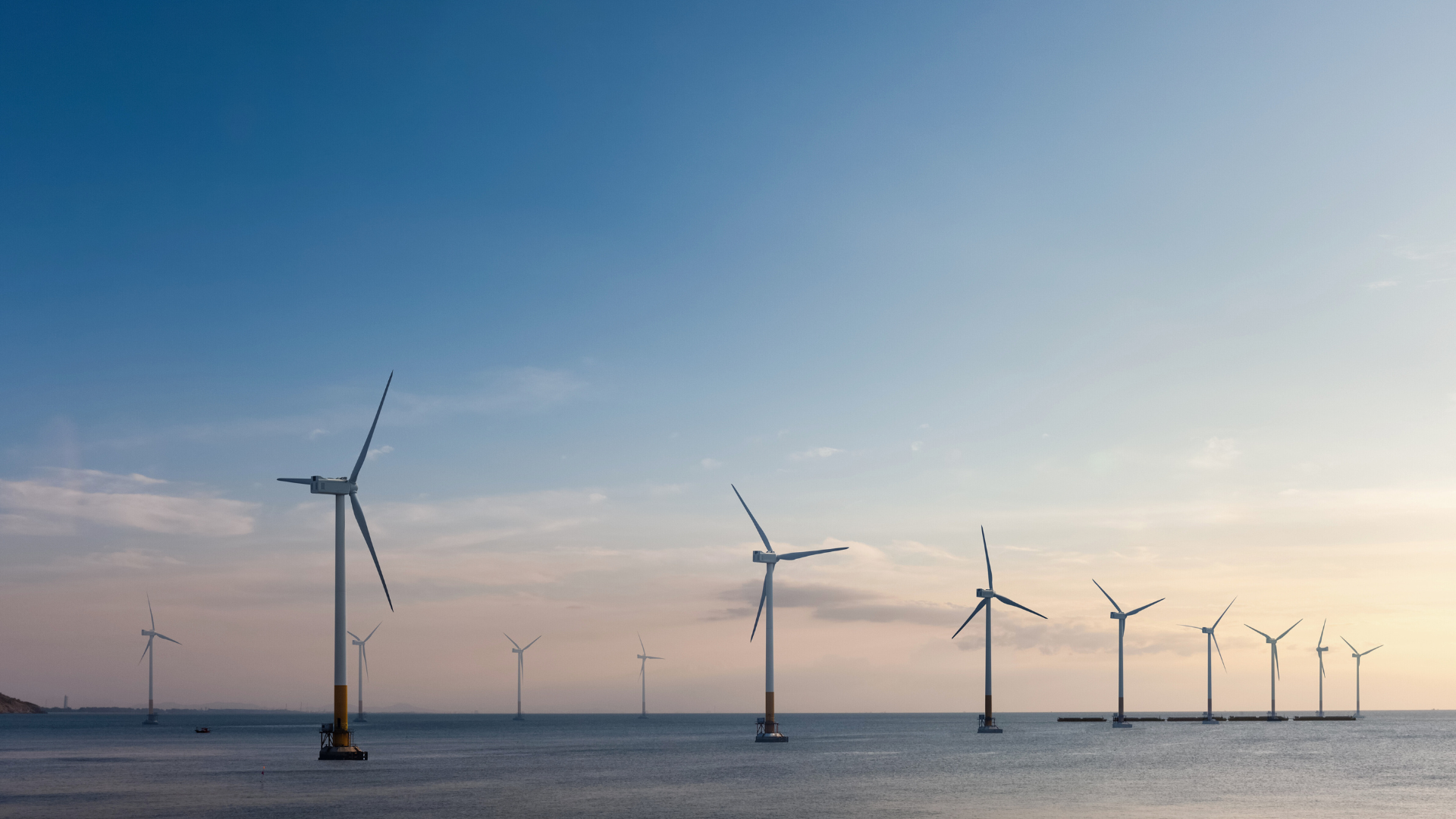
Subsea cable faults are the leading cause of unplanned outages in offshore wind. With Horizon Bridge technologies, asset managers, developers, and insurers gain real-time visibility into cable health from manufacture to installation & beyond.
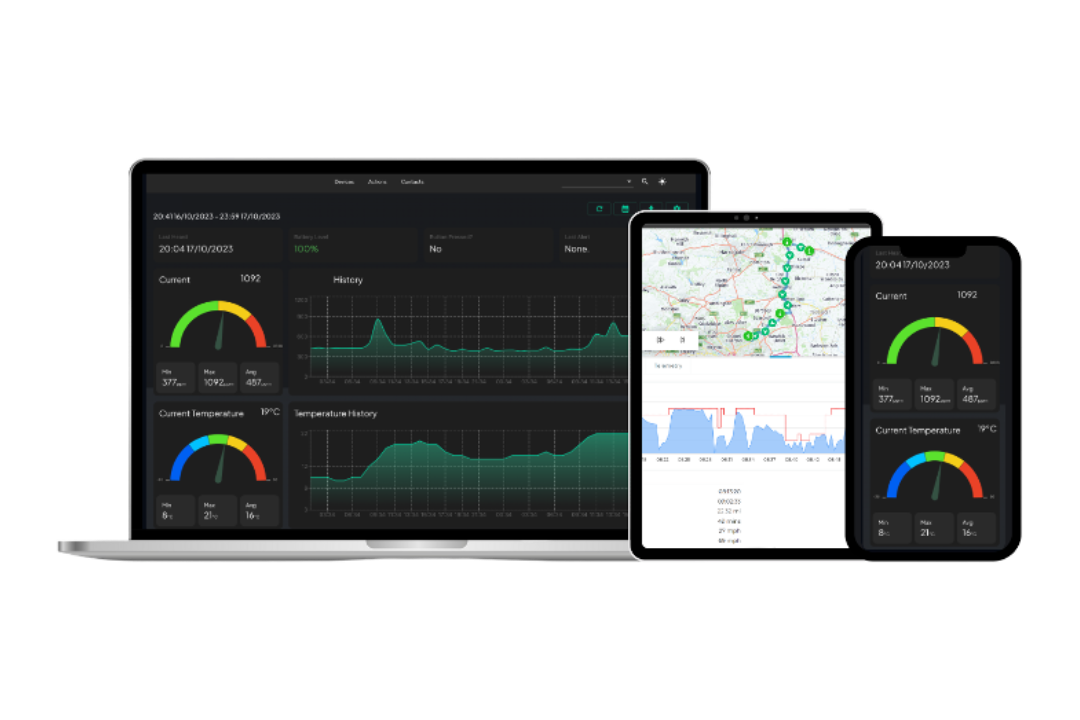
Our C-Suite of intelligent sensors and the BridgeView Analytics platform deliver early warning of degradation, damage, or installation stress - minimising risk, downtime, and insurance premiums.
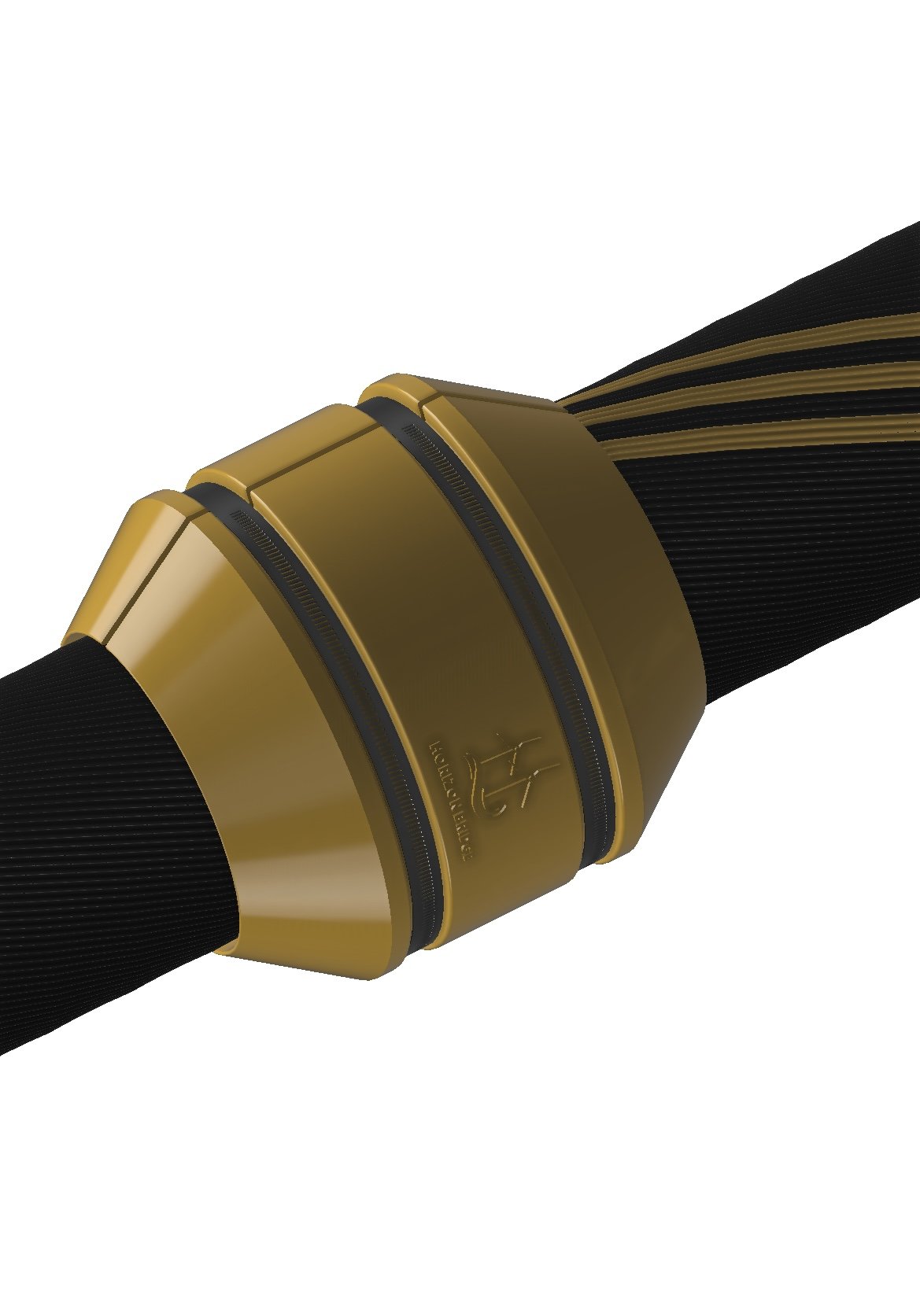
Horizon Bridge's integrated sensor suite (C-Guard, C-Track, C-Tag & C-Tag L) combined with the BridgeView Analytics digital platform enables engineers and procurement professionals to detect mechanical strain, thermal anomalies, transit shocks, and installation-related stressors across the full asset lifecycle. Our systems are engineered for high data fidelity, real-time alerting, and interoperability with SCADA systems.
Technical Challenges Addressed:
Undetected cable damage during spooling, transport, or laying.
Long fault-detection windows and costly reactive repairs.
Gaps in data needed for insurance, O&M and warranty claims.
Real World Application
Client: Solant Wind Park, UK (50.7 °N, -1 °E)
Project: Subsea Cable Monitoring for 900MW Wind Farm, 30km Offshore
Challenge:
Solant Wind Park (SWP) faced recurring faults in its inter-array cables, causing significant downtime, loss of revenue and driving up insurance premiums. The lack of real-time insight into cable health made it difficult to identify whether damage was occurring during storage, handling, or installation and identify the location and cause of failure before repairs could be implemented. SWP had a DTS system installed since commercial operation date (COD) but it failed to identify any potential failures or provide opportunities for preventative maintenance.
Solution:
Horizon Bridge deployed a total of 1,800 retrofit C-Guard devices along the IA cable lengths (assisted by CTV deployed ROV spread). Once installed and configured with BridgeView Analytics, SWP had real-time visibility of their complete subsea cable systems and imediatley began to see a pattern emerging in the trended data, indicating excessive fatigue in the unsupported sections between J-Tube and the seabed touchdown point. The detected failure mechanism aligned with other failures previously experienced within the wind farm prior to the installation of Horizon Bridge equipment, and was detected early enough to enable a preventative work scope to be developed, to be carried out during the next O&M campaign. Monitoring continues.
Outcome:
Early detection of excessive fatigue in proximity to J-Tube
Reduced maintenance costs by 35% due to effective planning of intervention
Anticipated field-wide O&M cost savings of 28% in the following 12 months
Horizon Bridge brokered insurance coverage resulted in more favourable terms and a 12% premium reduction due to reduced risk profile as deemed by incumbent underwriters
Horizon Bridge equipment and SAAS costs more than offset by maintenance cost savings within first 2 months of implementation (solution affordability resulting in rapid Break-Even / ROI)
Ongoing protection for 21 years of remaining life-span through to wind-farm decommission with Horizon Bridge support contracted under a 5 year frame agreement
DISCLAIMER: The above scenarios are representative of Horizon Bridge capabilities and technology benefits, and are intended for illustrative purposes only. HBL assumes no liability (either direct or consequential) for the accuracy or use of this information.